
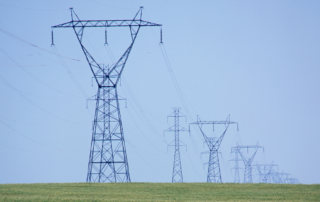
The Power Grid: How It Works, Coming Advances, And Vulnerabilities
Electricity plays a critical role in all of our daily lives yet many people do not understand the power grid or the behind-the-scenes process that ensures reliable delivery of electricity. This article outlines everything you need to know about the electricity grid.

Long Term vs. Short Term Energy Contracts: How To Choose
Energy contract term selection has never carried more financial weight than it does right now. Electricity prices across deregulated U.S. markets have risen sharply in recent years, driven by record-high capacity auction results, AI-fueled data center load growth, and tightening reserve margins in major grid regions like PJM and MISO. In this environment, the decision to lock in a long-term rate or stay short is a risk management decision with meaningful implications for your operating budget and long-term energy cost exposure.
Locking In Energy Rates: Should I Fix Or Float?
The decision to fix or float your energy rate is a risk management choice that defines your business's exposure to one of its largest and most volatile operating costs. Get it right and you secure price certainty at a favorable market entry point. Get it wrong and you are either locked into an above-market rate while index prices fall, or absorbing uncapped market volatility at exactly the wrong time.

Understanding Material Change On Energy Contracts
Material changes in energy contracts could mean more expensive energy bills for your business. This article outlines the key aspects of a material change and what you need to do to avoid overpaying on your utility bills.

How To Shop For Electricity And Gas Plans In 2025
Whether you are a commercial or residential customer, shopping for energy plans is a great way to reduce your monthly energy expenses. Use this guide to learn the tips and tricks to use when shopping for electricity and natural gas plans in 2025.
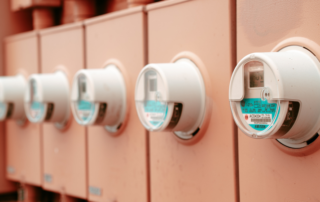
How To Better Manage Your Energy Demand Charges
For many commercial and industrial energy customers, demand charges are the single largest and least understood component of their electricity bill, accounting for anywhere from 30 to 70 percent of total monthly electricity costs depending on the utility, rate class, and the customer's usage profile. Yet most businesses focus almost exclusively on their energy supply rate when looking for ways to reduce costs, leaving the demand side of the bill largely unmanaged.