
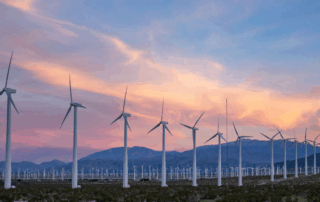
Renewable Energy Technologies: How To Implement Renewables Into Your Energy Strategy
As advancements in solar, wind, storage, and smart grid technologies accelerate, organizations have more tools than ever to integrate renewables into their energy strategies. In this article, we’ll explore the latest innovations and how companies can leverage them to achieve cost savings, resilience, and decarbonization goals.

Energy Arbitrage In Electricity Trading: Strategies, Opportunities, and Risks
Energy arbitrage is reshaping how participants approach electricity trading by leveraging price differences across time and location. Whether you're a sophisticated trader or a commercial energy buyer, understanding these strategies can help you better navigate market volatility and unlock potential savings.

A Consumer’s Shopping Guide To Seasonal Energy Pricing
Seasonal patterns play a major role in shaping electricity and natural gas prices for commercial energy buyers. Understanding how these patterns affect rates and when to lock in a deal can lead to major cost savings and more predictable energy budgets.

Emerging Energy Technologies: Shaping The Future Of The Energy Industry
As innovation accelerates across the energy landscape, new technologies are transforming how power is produced, managed, and consumed. From artificial intelligence to distributed energy resources, understanding these trends is critical for staying competitive in a rapidly evolving market.
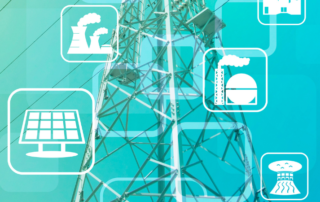
Understanding Grid Interconnections: How Power Grids Stay Connected And Reliable
The U.S. electric grid is more than just wires and substations. It’s a complex, interconnected system designed to ensure reliable electricity delivery across vast distances. Understanding how grid interconnections function is essential as renewable energy grows and utilities work to meet increasing demand with smarter, more resilient infrastructure.
Lessons Learned From Two Decades Of Energy Deregulation
Energy deregulation has transformed the U.S. energy landscape over the past two decades, introducing both opportunities and challenges for businesses and consumers. While deregulated markets have driven innovation, increased renewable energy adoption, and created competitive pricing structures, they have also faced regulatory scrutiny, market volatility, and consumer protection concerns. As the energy sector continues to evolve, policymakers are refining deregulation models to better support renewable energy integration, capacity market stability, and consumer transparency.