

Energy Procurement Auctions
Traditional energy procurement strategies include manually gathering multiple price quotes from retail energy suppliers, negotiating contract terms, and executing an energy contract. This process is dated and does not allow for true competitive pricing through the use of technology. Energy procurement auctions are structured as a competitive bidding environment where reserve prices and contract terms are set ahead of time. Energy suppliers then bid in real-time to win customer business, which results in lower prices and actual customer savings. In this article, we will outline the role of reverse auctions in energy procurement, how they work, their advantages, and the various ways customers can access this leading-edge technology.

Fixed Rate vs Variable Rate Electricity Plans
Choosing the right electricity plan based on your organization’s budget goals is one of the most important decisions in your energy procurement process. Fixed rate vs variable rate electricity plans offer an array of options and risk for consumers that should be evaluated in detail prior to purchasing. This article will compare fixed and variable rates, explain how each product structure performs under different market conditions, and introduce the hybrid approach of combining fixed rates with variable rates.

Electricity Costs Are Spiking: Here’s How Large Energy Consumers Are Responding
Electricity prices are rising faster than many large energy consumers have ever experienced, driven by structural changes in power and capacity markets. For organizations with significant electricity spend, the challenge is no longer just securing a competitive rate, but managing long-term price risk and budget uncertainty. This guide explains how large energy buyers are responding with structured hedging strategies to control costs, reduce price exposure, and stabilize energy budgets.
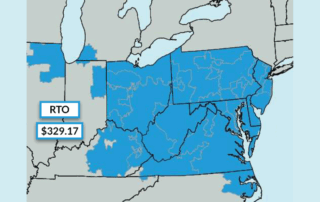
PJM 2026/27 Base Residual Auction Results: Record Capacity Prices in PJM
On July 22, 2025, PJM Interconnection released the results of its 2026/2027 Base Residual Auction (BRA), clearing at a record-high FERC-imposed cap of $329.17 per megawatt-day. This 22% increase from the previous year signifies escalating demand and tightening capacity across PJM's 13-state region, leading to continued elevated electricity prices for industrial and commercial energy users.
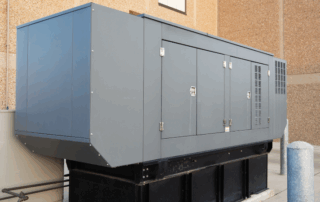
On-Site Power Generation: How Large Energy Users Are Making Their Own Power To Offset Rising Capacity Costs
Rising capacity charges, unpredictable market prices, and mounting sustainability targets are prompting a growing number of businesses to generate their own electricity on-site. This article explores the forces driving adoption, the technologies leading the movement, and how companies are using on-site generation to protect their bottom line.
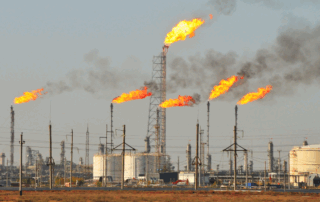
Natural Gas Futures And Speculation In Energy Markets
Natural gas futures are pivotal in commercial energy retail pricing, particularly in deregulated markets where suppliers offer various fixed-price options. Understanding how speculative trading, hedging, and overall market outlook drive these futures markets is essential for energy buyers to manage cost risk and time supply contracts effectively.