
Understanding Grid Interconnections: How Power Grids Stay Connected And Reliable
The U.S. electric grid is more than just wires and substations. It’s a complex, interconnected system designed to ensure reliable electricity delivery across vast distances. Understanding how grid interconnections function is essential as renewable energy grows and utilities work to meet increasing demand with smarter, more resilient infrastructure.

Lessons Learned From Two Decades Of Energy Deregulation
Energy deregulation has transformed the U.S. energy landscape over the past two decades, introducing both opportunities and challenges for businesses and consumers. While deregulated markets have driven innovation, increased renewable energy adoption, and created competitive pricing structures, they have also faced regulatory scrutiny, market volatility, and consumer protection concerns. As the energy sector continues to evolve, policymakers are refining deregulation models to better support renewable energy integration, capacity market stability, and consumer transparency.

Real-Time Energy Analytics: Transforming Energy Management For Utilities And Businesses
For most businesses, energy usage analytics has historically been a backward-looking exercise. Monthly utility bills are reviewed after costs are already incurred, with limited ability to act on what the data reveals. Energy analytics for businesses has changed that equation entirely. With real-time monitoring and interval consumption data, commercial and industrial customers can now identify the inefficiencies responsible for 10 - 30% of preventable operating costs and act on them before they compound.
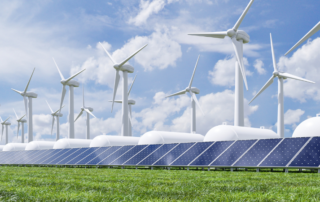
Variable Renewable Energy (VRE): Managing Grid Integration Of Wind and Solar Power
Variable renewable energy (VRE) is revolutionizing the power grid, but integrating wind and solar into energy markets presents challenges in grid stability, forecasting, and transmission constraints. As businesses and utilities look for solutions, advancements in storage, demand-side management, and grid modernization are helping bridge the gap for a more resilient and efficient energy future.

Grid Parity: The Turning Point In The Energy Transition
Grid parity represents a pivotal shift in the energy industry, where renewable energy costs align with or fall below conventional energy prices. As this milestone reshapes energy procurement and market dynamics, businesses must adapt to new opportunities in renewable integration and long-term energy strategies.

Building Trust: What Commercial Energy Clients Expect from Suppliers
When choosing an energy supplier, commercial customers seek more than just competitive pricing; they prioritize transparency, reliability, and long-term value. With evolving market complexities and regulatory changes, businesses must navigate supplier relationships carefully to ensure they receive fair pricing, ethical service, and contract flexibility.