
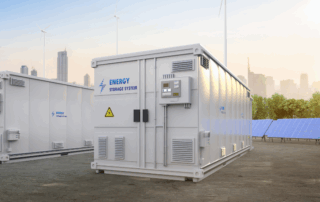
Advanced Energy Storage Technologies: Powering The Future Of The Grid
Advanced energy storage technologies are reshaping the way businesses and grid operators manage electricity, offering new tools to store, dispatch, and optimize clean energy. As grid demand rises and renewable generation expands, these systems are becoming essential for improving reliability, cutting costs, and supporting the transition to a more resilient energy future.

Solar PPAs vs. Renewable Energy Supply: Which Is Better For Businesses Looking To Go Green?
Businesses exploring clean energy have two main options: solar power purchase agreements (PPAs) or renewable energy supply contracts. Each has unique costs, benefits, and sustainability impacts. Understanding how these strategies differ is essential for choosing the path that best aligns with your organization’s energy, financial, and renewable goals.
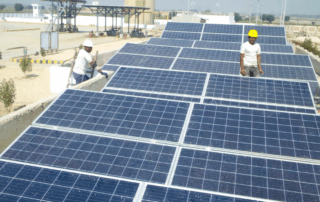
Behind-the-Meter (BTM) Energy Resources & Customer-Side Energy Control
As energy costs rise and grid reliability concerns grow, behind-the-meter (BTM) energy resources are becoming an attractive solution for many businesses. Technologies like solar, storage, and combined heat and power (CHP) allow companies to generate, manage, and control their own energy. In this article, we’ll dive into the different types of BTM assets, their benefits, and key considerations for businesses exploring on-site energy solutions.
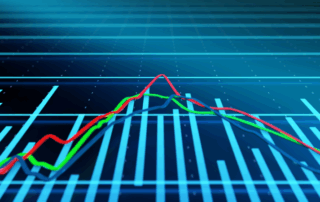
Load Duration Curve: Managing Energy Demand Over Time
As the energy grid grows more complex with the rise of renewables and data center demand, managing electricity consumption has never been more critical. The Load Duration Curve (LDC) offers a powerful tool for visualizing and forecasting energy demand across different load types. In this article, we’ll break down how LDCs help utilities, businesses, and system operators make smarter, data-driven energy decisions.

Lessons Learned From Two Decades Of Energy Deregulation
Energy deregulation has transformed the U.S. energy landscape over the past two decades, introducing both opportunities and challenges for businesses and consumers. While deregulated markets have driven innovation, increased renewable energy adoption, and created competitive pricing structures, they have also faced regulatory scrutiny, market volatility, and consumer protection concerns. As the energy sector continues to evolve, policymakers are refining deregulation models to better support renewable energy integration, capacity market stability, and consumer transparency.

Real-Time Energy Analytics: Transforming Energy Management For Utilities And Businesses
For most businesses, energy usage analytics has historically been a backward-looking exercise. Monthly utility bills are reviewed after costs are already incurred, with limited ability to act on what the data reveals. Energy analytics for businesses has changed that equation entirely. With real-time monitoring and interval consumption data, commercial and industrial customers can now identify the inefficiencies responsible for 10 - 30% of preventable operating costs and act on them before they compound.