

5 Ways to Reduce Capacity Tags and Combat PJM Rate Increases
With PJM’s 2025/2026 capacity rates surging to decade highs, reducing your facility’s capacity tags has never been more critical for controlling electricity costs. By understanding how tags are calculated and taking strategic action during peak summer hours, businesses can significantly lower future capacity charges and protect their bottom line.
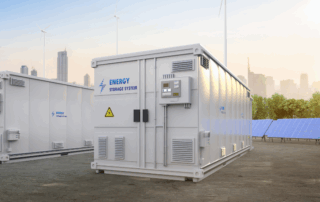
Advanced Energy Storage Technologies: Powering The Future Of The Grid
Advanced energy storage technologies are reshaping the way businesses and grid operators manage electricity, offering new tools to store, dispatch, and optimize clean energy. As grid demand rises and renewable generation expands, these systems are becoming essential for improving reliability, cutting costs, and supporting the transition to a more resilient energy future.

Solar PPAs vs. Renewable Energy Supply: Which Is Better For Businesses Looking To Go Green?
Businesses exploring clean energy have two main options: solar power purchase agreements (PPAs) or renewable energy supply contracts. Each has unique costs, benefits, and sustainability impacts. Understanding how these strategies differ is essential for choosing the path that best aligns with your organization’s energy, financial, and renewable goals.
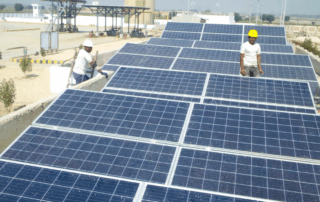
Behind-the-Meter (BTM) Energy Resources & Customer-Side Energy Control
As energy costs rise and grid reliability concerns grow, behind-the-meter (BTM) energy resources are becoming an attractive solution for many businesses. Technologies like solar, storage, and combined heat and power (CHP) allow companies to generate, manage, and control their own energy. In this article, we’ll dive into the different types of BTM assets, their benefits, and key considerations for businesses exploring on-site energy solutions.

Emerging Energy Technologies: Shaping The Future Of The Energy Industry
As innovation accelerates across the energy landscape, new technologies are transforming how power is produced, managed, and consumed. From artificial intelligence to distributed energy resources, understanding these trends is critical for staying competitive in a rapidly evolving market.

Real-Time Energy Analytics: Transforming Energy Management For Utilities And Businesses
For most businesses, energy usage analytics has historically been a backward-looking exercise. Monthly utility bills are reviewed after costs are already incurred, with limited ability to act on what the data reveals. Energy analytics for businesses has changed that equation entirely. With real-time monitoring and interval consumption data, commercial and industrial customers can now identify the inefficiencies responsible for 10 - 30% of preventable operating costs and act on them before they compound.